Let's Shape The Future Of Your Investments!
Beat the market with DeepCap's stock picks and investment strategies.

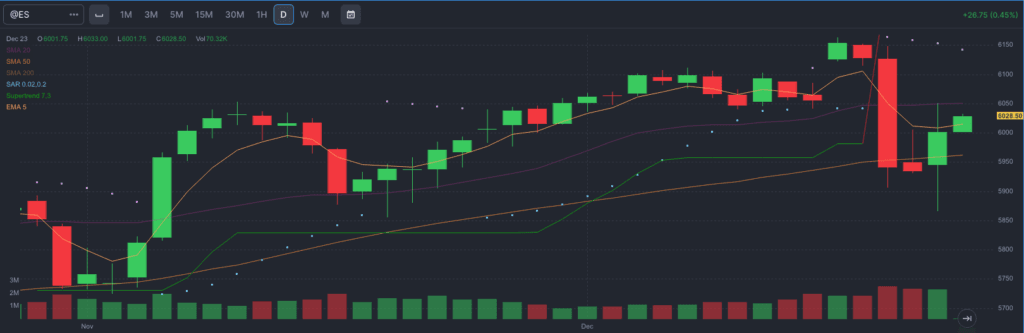
During the holiday season, Wall Street enters a peculiar time marked by the so-called “Santa Claus Rally.” This phenomenon, observed during the final week of December and the first two trading days of January, often brings a flurry of optimism and upward momentum in the markets. But if you’ve been paying attention, you’ll notice a recurring pattern: many investors and traders jump in early, only to start selling off before Christmas. What’s behind this behavior?
The Santa Claus Rally is driven by a mix of factors. Year-end portfolio rebalancing, holiday spending surges, and the festive cheer often translate into higher consumer confidence and market optimism. Institutional investors also tend to wrap up major trading decisions ahead of Christmas, leaving retail traders and algorithm-driven funds to push prices higher in the lighter trading environment.
Investors and traders often buy at the start of the Santa Claus Rally for several reasons:
Despite the initial buying frenzy, selling before Christmas is a strategic move for several reasons:
The Santa Claus Rally remains one of the market’s quirkiest traditions, blending psychology, seasonality, and strategy. While some prefer to hold through the entirety of the rally, others strategically exit early, locking in profits and avoiding potential pitfalls. For retail investors, understanding this pattern can help navigate the holiday season’s market dynamics, whether you’re buying in for the rally or watching from the sidelines.
In the end, the real gift of the Santa Claus Rally lies in the lessons it offers: markets are as much about human behavior as they are about numbers. And knowing when to ride the sleigh—and when to jump off—can make all a large difference.
However, if you’re a DeepCap subscriber, you would know that in most situations with the stocks in our DeepList, it’s usually better to just sit in the sleigh and ride it out.